 Telephone: +86-574-62838966
 E-mail : sale2@hengboyi.com

 en
en  English
 Español
 中文简体
中文简体
Diamond-Pattern Diffused Solar Wall Light: A Practical Guide to Comfortable Outdoor Illumination
Content
- 1 Introduction
- 2 Product Overview
- 3 Key Specifications and Functional Summary
- 4 Diffused Illumination and Visual Comfort
- 5 Three-Level Brightness Adjustment
- 6 Dual Charging for Flexible Use
- 7 Automatic Sensing and Everyday Convenience
- 8 Battery and Energy Storage
- 9 Applications in Residential and Commercial Spaces
- 10 Advantages Compared with Basic Competitor Products
- 11 Manufacturing Strengths of Ningbo Hengboyi Lamp Co., Ltd.
- 12 Product Development and Design Process
- 13 Manufacturing and Assembly Considerations
- 14 Quality Control Priorities
- 15 OEM and ODM Cooperation Potential
- 16 International Trade and Logistics Support
- 17 Installation Recommendations
- 18 Maintenance and Long-Term Use
- 19 Buyer Evaluation Checklist
- 20 Why Manufacturing Experience Matters
- 21 Q&A
- 21.1 What is the main design feature of this solar wall light?
- 21.2 Is the product intended only for decoration?
- 21.3 How many brightness levels does it provide?
- 21.4 How is the battery charged?
- 21.5 What battery does the product use?
- 21.6 Does the light turn on automatically?
- 21.7 What color of light does it produce?
- 21.8 Where can the product be installed?
- 21.9 How does it compare with a basic solar wall light?
- 21.10 Can the product be customized for business orders?
- 21.11 Does the manufacturer produce other lighting products?
- 21.12 What should buyers check before ordering?
- 22 Conclusion
- 23 References
- 24 Product: Diamond pattern diffused solar wall light (A60 bulb shape)
Introduction
Outdoor lighting serves several purposes at once. It improves visibility, supports safer movement, adds character to walls and pathways, and helps outdoor areas remain useful after sunset. However, not every light is equally suitable for everyday use. Some products are excessively bright, some create sharp glare, and others offer only limited control over their operating modes. A well-designed solar wall light should balance illumination, comfort, appearance, energy efficiency, and convenience.
The diamond-pattern diffused solar wall light with an A60 bulb shape is designed around that balance. Rather than focusing only on maximum brightness, it emphasizes even illumination and a softer visual effect. Its diamond-pattern shade helps distribute warm white light across a broader area, while its compact wall-mounted structure makes it suitable for courtyards, entrance paths, steps, balcony fences, garden routes, and similar locations.
The product combines automatic nighttime operation, three-level brightness adjustment, solar charging, USB charging, and a built-in 18650 lithium battery rated at 3.7 volts and 1200 mAh. These features make it more adaptable than a basic solar light that relies on one charging method or one fixed brightness setting.
This article examines the product’s design, functions, user advantages, possible applications, manufacturing considerations, quality-control priorities, and the production strengths of Ningbo Hengboyi Lamp Co., Ltd. It also explains how the light can compare favorably with simpler competing products while identifying the factors buyers should evaluate before placing an order.
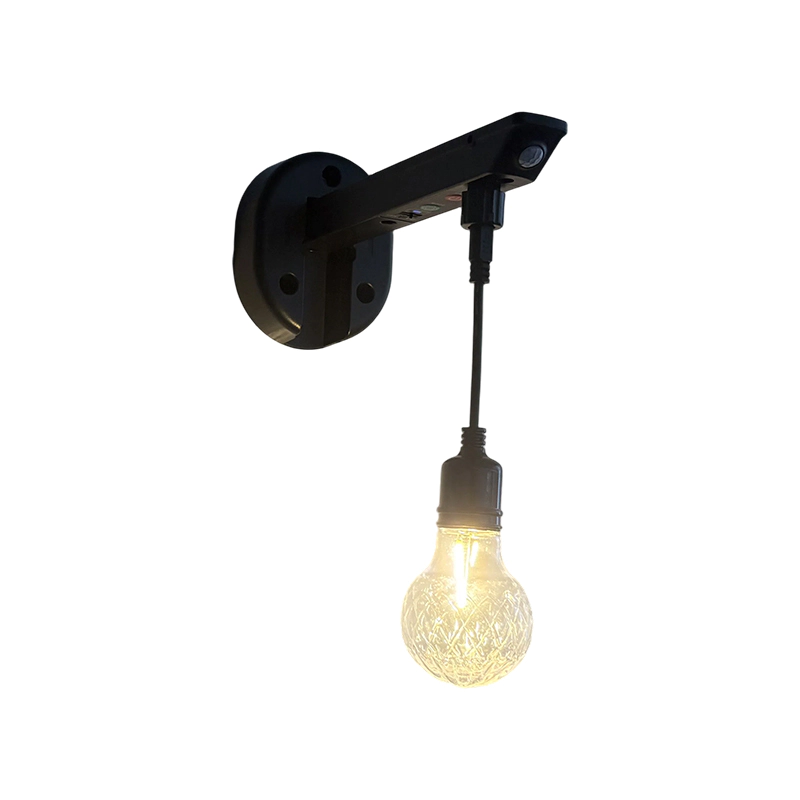
Diamond pattern diffused solar wall light (A60 bulb shape)
Product Overview
The diamond-pattern diffused solar wall light is a decorative and practical outdoor lighting product identified as HBY-D08-1. It belongs to the solar wall light category and uses an A60 bulb-shaped visual form. The A60-inspired shape gives the product a familiar lamp appearance while allowing the outer shade to become part of the lighting performance rather than functioning only as decoration.
The central design feature is the diamond-pattern lamp shade. Its surface structure breaks up direct light and supports a diffused output. When the lamp is illuminated, the warm white light passes through the patterned shade and creates a softer appearance than a clear, exposed light source. This can help reduce harsh visual contrast and make the product suitable for areas where people spend time, pass by frequently, or look toward the wall-mounted fixture from different angles.
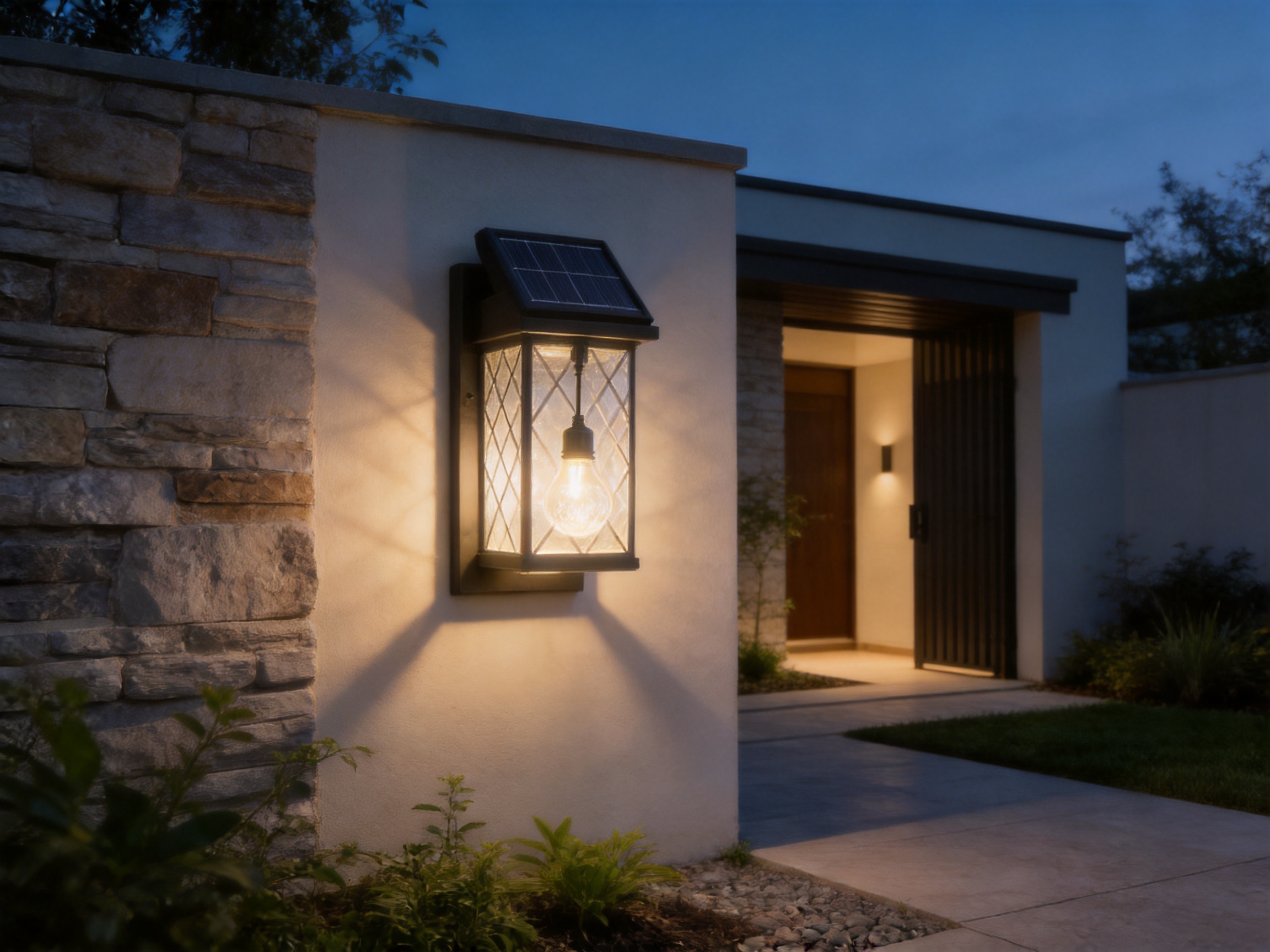
The product is intended for daily practical lighting rather than only occasional decorative use. It can provide illumination around an entrance, assist with visibility on a garden path, mark a step or boundary, and add a warm atmosphere to a balcony or courtyard. Its simple appearance allows it to coordinate with many wall styles, including modern residential exteriors, traditional garden walls, entrance structures, and general outdoor architectural surfaces.
Operation is designed to be straightforward. The light can charge during the day and automatically turn on at night through its sensing function. Users do not need to manually switch the product on every evening. In addition, the three brightness levels allow the light to be adjusted according to the location, time of use, and desired atmosphere.
A built-in 18650 battery rated at 3.7 volts and 1200 mAh stores energy for nighttime operation. Solar charging supports energy independence during normal outdoor use, while USB charging provides a second option when sunlight is insufficient or when the product needs to be prepared before installation.
Key Specifications and Functional Summary
| Item | Product Information | Practical Meaning |
|---|---|---|
| Product type | Solar wall light | Designed for wall-mounted outdoor and semi-outdoor illumination |
| Model | HBY-D08-1 | Identifies the product configuration for sourcing and purchasing |
| Visual form | A60 bulb shape | Provides a familiar lamp-style appearance |
| Shade design | Diamond-pattern diffused shade | Helps soften and distribute the light output |
| Light color | Warm white | Supports a comfortable and welcoming outdoor atmosphere |
| Brightness control | Three levels | Allows users to select different light effects and energy needs |
| Charging methods | Solar and USB | Provides more flexibility than solar-only charging |
| Battery | 18650, 3.7 V, 1200 mAh | Stores power for automatic nighttime operation |
| Control function | Automatic sensing | Charges during the day and turns on automatically at night |
| Suggested applications | Courtyard walls, paths, steps, balconies, fences, and gardens | Suitable for practical guidance lighting and decorative outdoor use |
The specification set is notable because the product does not rely on a single selling point. The shade design addresses visual comfort, the three-level control addresses flexibility, the dual charging system addresses convenience, and the automatic sensing function addresses daily operation. Together, these features create a more complete lighting solution for users who want both appearance and practicality.
Diffused Illumination and Visual Comfort
One of the most important advantages of this product is its focus on diffused light. A conventional exposed light source may create a concentrated bright point. Depending on viewing position, that point can appear harsh or uncomfortable, particularly when installed near eye level or along a path where users approach the lamp directly.
The diamond-pattern shade changes how the light is perceived. Instead of allowing the light to appear as one unrestricted source, the patterned surface helps break up the output and distribute it across the shade. The result is a softer glow with a decorative texture. The diamond pattern is therefore not merely an external design element; it contributes to the product’s lighting function.
Diffused illumination can be useful in residential outdoor environments because these locations generally require comfortable visibility rather than intense task lighting. A courtyard wall, balcony fence, garden route, or entrance path benefits from a light that identifies the space and improves orientation without dominating the surrounding environment.
Warm white light supports the same objective. Compared with a cooler white tone, warm white generally creates a more relaxed and welcoming impression. It can coordinate with brick, stone, wood, painted walls, plants, and other common outdoor materials. For hospitality projects, residential developments, garden spaces, and decorative commercial areas, this color effect can help create a more inviting setting.
Compared with basic solar wall lights that use a clear cover and a sharply visible LED point, the diamond-pattern diffused design offers a stronger emphasis on appearance and visual comfort. This does not mean that every installation requires diffused light, but it gives buyers an important option when glare control and atmosphere matter.
Three-Level Brightness Adjustment
Outdoor spaces do not always require the same amount of light. A low setting may be appropriate for a balcony, garden border, or decorative wall. A medium setting may be more useful along a pathway or beside an entrance. A higher setting may be selected when users need stronger visibility around steps, gates, or access points.
The three-level brightness adjustment allows the same product to serve these different purposes. Instead of purchasing separate models for decorative and practical applications, buyers can use brightness selection to adapt the lamp to the installation environment.
This flexibility also helps users balance illumination and battery consumption. A lower output can reduce energy demand and may be useful when the goal is to maintain a gentle nighttime glow. A higher output can provide stronger visual guidance when the area requires additional visibility. The ability to change the setting gives property owners greater control after installation.
For distributors and project buyers, multiple brightness levels can broaden the product’s market position. The light can be presented as a decorative wall fixture, a pathway guide light, an entrance light, or a supplemental safety light, depending on the selected mode and installation location. This versatility may simplify inventory planning because one product can answer several common customer requirements.
Compared with a fixed-output solar wall light, this three-level function is a practical competitive advantage. A fixed-output model may be too bright for some locations and too weak for others. Adjustable output reduces that limitation and improves the possibility of achieving a suitable result in different outdoor environments.
Dual Charging for Flexible Use
Solar charging is a central benefit of the product. During daylight hours, the solar system can replenish the battery without requiring a permanent connection to the electrical grid. This is valuable for garden walls, remote corners, pathways, and other areas where installing wiring may be inconvenient or expensive.
At the same time, solar performance can vary according to season, weather, shade, installation direction, and available daylight. A solar-only product may be difficult to prepare before first use or may require patience after several cloudy days. The inclusion of USB charging provides a practical alternative.
USB charging allows the user to charge the battery from a suitable power source when needed. It can support initial setup, showroom preparation, maintenance, seasonal use, or recovery after extended periods of limited sunlight. This second charging method makes the product more flexible for both household users and professional installers.
Dual charging is also valuable for distribution. Retailers can demonstrate the product indoors without waiting for solar exposure. Importers and project contractors can test units more conveniently during inspection. End users can prepare the light before installation or supplement solar charging when environmental conditions are unfavorable.
Compared with a solar wall light that depends exclusively on outdoor sunlight, this product provides greater operational flexibility. Solar power remains the primary convenience feature, but USB charging reduces dependence on one environmental condition. This is especially helpful in regions with seasonal cloud cover, shaded installation areas, or short winter daylight periods.
Automatic Sensing and Everyday Convenience
The automatic sensing function is designed to simplify daily operation. The product charges during the day and automatically turns on at night. This operating pattern is well suited to outdoor lighting because users generally want the lamp to work without needing to remember a manual switching schedule.
Automatic operation can improve convenience around entrances, garden paths, and steps. When evening arrives, the lamp can provide a visible reference point without requiring the property owner to walk outside and activate it. In a residential setting, this can make the product useful for daily arrivals, outdoor maintenance, and general movement around the property.
Automatic sensing also supports energy-conscious operation. The lamp is not intended to remain illuminated continuously throughout the day. Instead, it follows a day-and-night cycle, using stored energy when illumination is most useful. When combined with the brightness selection, this can help users choose a lighting pattern that suits their priorities.
For commercial or hospitality applications, automatic operation reduces the need for routine staff intervention. A series of wall lights can function according to the surrounding light conditions rather than depending on an employee to operate each unit. This can be especially convenient for small courtyards, entrance areas, guest facilities, and garden routes.
As with all solar sensing products, installation conditions influence performance. The solar panel should receive adequate daylight, and the sensor should not be affected by nearby artificial light sources that could interfere with nighttime detection. Proper installation and a clear understanding of the product’s operating position remain important for achieving consistent results.
Battery and Energy Storage
The product uses an 18650 lithium battery rated at 3.7 volts and 1200 mAh. This battery format is widely used in compact rechargeable lighting products because it provides a practical combination of energy storage, size, and availability.
The battery stores energy collected during charging and supplies power to the lamp during nighttime operation. Actual operating duration can vary according to brightness level, solar exposure, battery condition, ambient temperature, and charging efficiency. For this reason, buyers should evaluate the product according to the intended use rather than assuming that one runtime result applies to every installation.
A 1200 mAh capacity is suitable for a compact wall light where the design must balance physical size with useful nighttime illumination. The product is not presented as a high-power floodlight. Instead, it is intended to provide stable, comfortable, and practical lighting in locations where moderate output and decorative appearance are important.
The three brightness levels are relevant to battery management. Selecting a lower level can reduce power consumption, while a higher level provides stronger illumination at a greater energy demand. This gives users a way to adjust the relationship between brightness and operating time according to actual needs.
For manufacturers and importers, battery quality is a significant part of product reliability. Consistent cell selection, secure electrical connections, appropriate charging control, and careful assembly all contribute to dependable performance. The battery should be protected during production, storage, transportation, and installation to help preserve its service life.
Applications in Residential and Commercial Spaces
Courtyard Walls
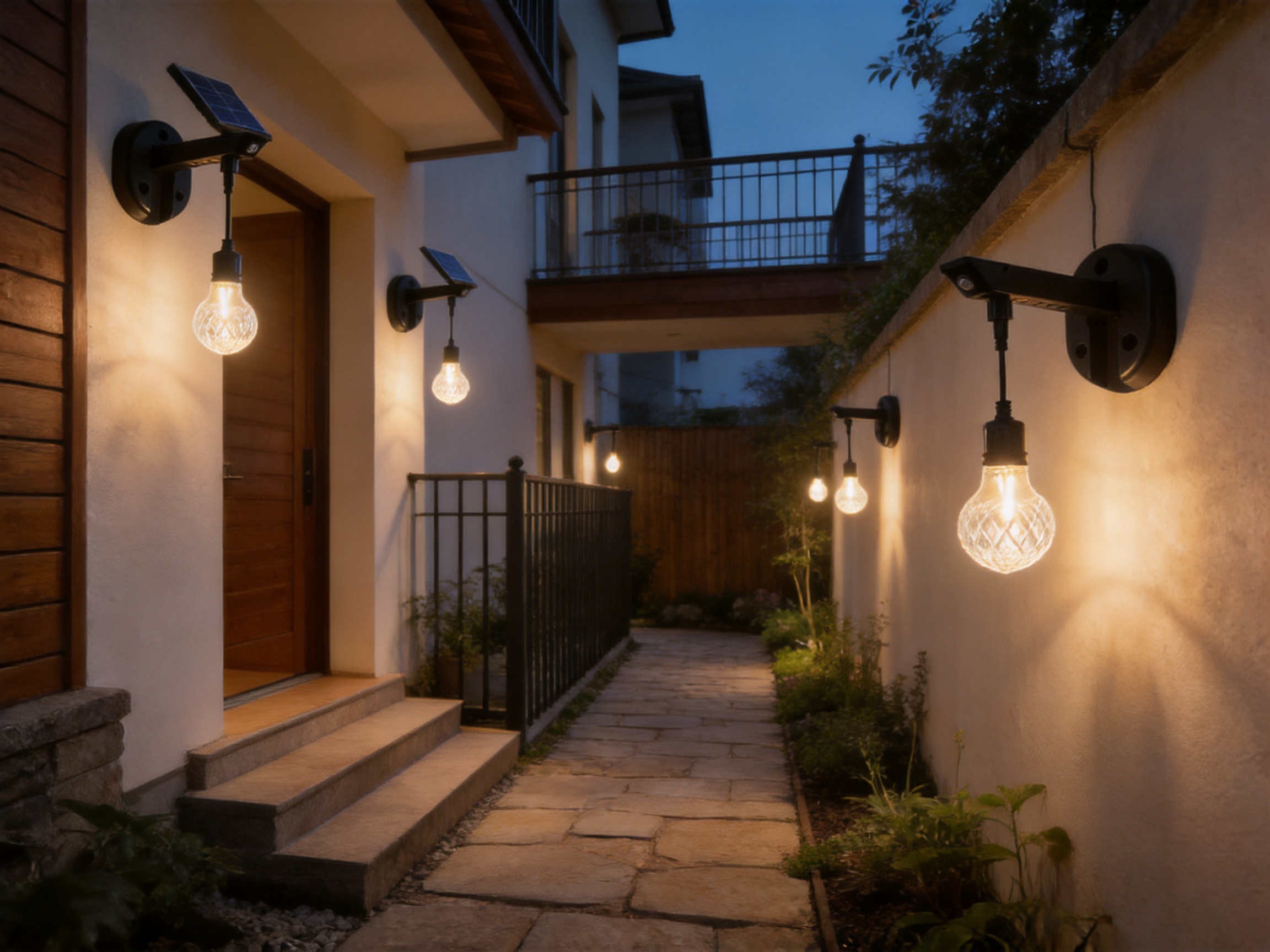
Courtyard walls often need lighting that is visible but not overwhelming. The warm white output and diffused diamond pattern can add a gentle layer of illumination while contributing to the appearance of the wall. Several units can be positioned at appropriate intervals to create a consistent visual rhythm.
Entrance Pathways
At an entrance, the light can help identify the route and make the arrival area feel more welcoming. Automatic nighttime operation means that the fixture can provide illumination without requiring manual activation each evening. The three brightness levels allow the user to select a subtle or more visible effect according to the entrance layout.
Steps and Level Changes
Steps benefit from visible lighting because changes in height can be difficult to identify in low-light conditions. A wall-mounted lamp near a step or short stair section can provide a useful visual reference. Installation should be planned carefully so that the light improves visibility without creating glare directly into the eyes of people using the steps.
Balcony Fences
Balcony fences can be used as mounting locations for decorative lighting, particularly in residential and hospitality settings. The compact wall-light format can add warm illumination without requiring a large fixture. The diffused shade helps maintain a softer atmosphere suitable for evening relaxation.
Garden Paths
Garden paths often require a series of low-to-moderate light sources rather than one intense lamp. The product can be used along a wall or near the edge of a route to guide movement. Its solar charging function can be useful in garden locations where extending electrical wiring would be inconvenient.
Outdoor Hospitality Areas
Small hotels, restaurants, guesthouses, cafés, and event venues may use this type of product around courtyards, outdoor seating areas, entry routes, and landscaped boundaries. The combination of decorative design and automatic operation can support an attractive environment while reducing routine switching work.
Advantages Compared with Basic Competitor Products
Competition in the solar lighting market includes many products with similar general functions. The strongest differentiation of this model comes from the way several practical features are combined in one compact design.
First, the diamond-pattern shade provides a more distinctive appearance than a plain transparent cover. It gives the lamp a recognizable visual identity and contributes to light diffusion. For buyers serving customers who care about both illumination and exterior appearance, this can be more appealing than an undifferentiated entry-level fixture.
Second, the warm white output supports a comfortable atmosphere. Some competing products emphasize brightness alone, while this model gives greater attention to the quality and visual character of the light. This makes it suitable for residential and decorative environments where excessive glare can reduce the desired effect.
Third, three-level brightness adjustment adds flexibility. A fixed-output light may force users to accept one brightness level regardless of the application. This model allows users to adapt the lighting effect to different locations and energy priorities.
Fourth, dual charging improves convenience. Solar charging supports independent outdoor operation, while USB charging provides a backup and preparation method. This is a meaningful advantage over products that depend entirely on solar exposure.
Fifth, automatic sensing reduces daily maintenance. The product is designed to charge in the daytime and turn on at night, which supports a simple routine for homeowners, property managers, and commercial operators.
Finally, the product is positioned as a practical wall light rather than a purely decorative ornament. Its application range includes paths, steps, entrances, garden areas, and courtyard walls. This functional breadth can help distributors present it to a wider customer base.
| Evaluation Category | Basic Fixed-Output Solar Wall Light | Diamond-Pattern Diffused Solar Wall Light |
|---|---|---|
| Light appearance | Often plain or strongly concentrated | Warm white output with a patterned diffused effect |
| Brightness control | Usually one fixed setting | Three selectable brightness levels |
| Charging flexibility | Commonly solar-only | Solar charging plus USB charging |
| Daily operation | May require manual control or basic sensing | Automatic day charging and nighttime activation |
| Application range | May be limited to decorative use | Suitable for entrances, paths, steps, walls, balconies, and gardens |
| Design differentiation | Basic cover or generic appearance | Diamond-pattern shade with A60 bulb-shaped form |
These comparisons should be understood as design and feature distinctions rather than universal performance guarantees. Actual results depend on the quality of competing products, the installation environment, and the conditions under which each product is tested.
Manufacturing Strengths of Ningbo Hengboyi Lamp Co., Ltd.
Ningbo Hengboyi Lamp Co., Ltd. was founded in 2003 and specializes in the development and manufacture of string lights and solar lighting products. Its product scope includes waterproof string lights, LED decorative lights, solar lights, solar wall lights, curtain string lights, and flame-style lights.
This product range is important because it indicates experience across several related lighting categories. String lights and solar wall lights may differ in appearance and construction, but both require attention to LED performance, power management, decorative design, electrical assembly, and quality consistency. Experience across multiple product families can support a broader understanding of component selection and lighting applications.
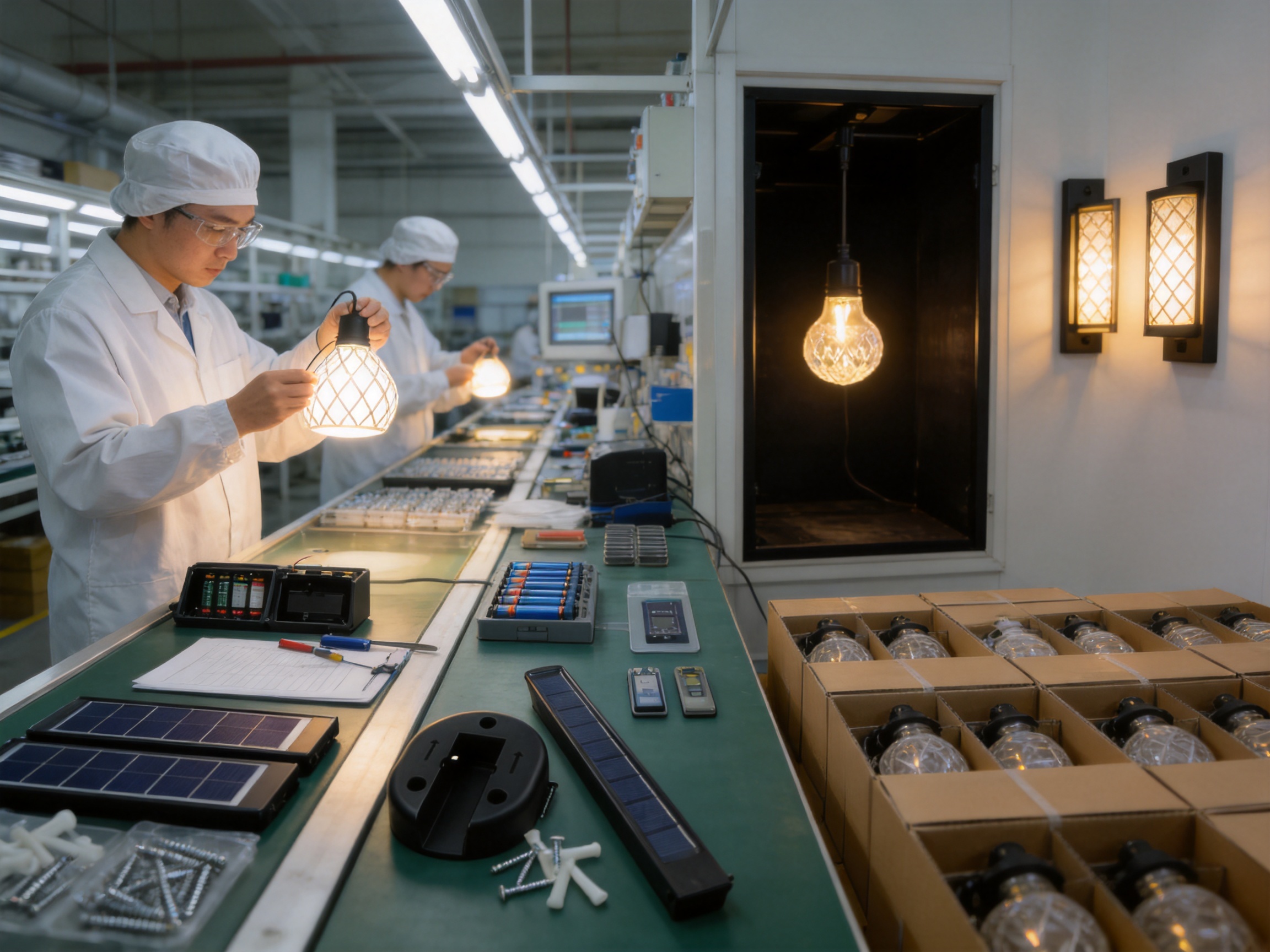
The company is equipped with production and testing facilities intended to support product development and manufacturing. A capable lighting factory must coordinate design, sourcing, assembly, inspection, testing, packaging, and logistics. Each stage affects the final customer experience, especially for products installed outdoors and expected to operate repeatedly over time.
Hengboyi emphasizes attractive designs, reliable quality, and consistent performance. These priorities are directly relevant to the HBY-D08-1 model. The diamond-pattern shade demonstrates attention to appearance and light effect, while the automatic sensing, rechargeable battery, and dual charging structure require coordinated electrical and mechanical assembly.
The company also provides OEM and ODM services. OEM cooperation can allow a buyer to source a product according to an established specification or brand requirement. ODM cooperation can provide a starting design that may be adapted for a particular market, packaging program, or distribution channel. For importers, retailers, project companies, and lighting brands, this flexibility can be valuable when standard catalog products do not fully match their requirements.
Product Development and Design Process
A successful solar wall light begins with a clear definition of the intended use. The development process should consider mounting position, expected viewing distance, desired light atmosphere, power requirements, battery capacity, charging methods, and control functions. For the HBY-D08-1, the design objective is to combine a decorative wall-mounted appearance with comfortable practical illumination.
The diamond-pattern shade must be considered as both a visual component and an optical component. Pattern spacing, surface geometry, material selection, and internal light distribution can affect the appearance of the illuminated product. Design evaluation should therefore include both daytime appearance and nighttime light output.
The A60 bulb-shaped form provides a familiar reference for users while giving the product a decorative identity. Its proportions should be coordinated with the shade, internal LED arrangement, battery housing, charging components, and mounting structure. Good product development requires these elements to work together rather than being designed as unrelated parts.
Brightness adjustment also needs to be integrated into the control system. The selected levels should be sufficiently distinct for users to notice a change while remaining appropriate for the product’s battery and power design. Automatic sensing must be evaluated in both day and night conditions to confirm that the intended operating sequence is understandable and reliable.
Dual charging adds another layer of design coordination. Solar charging and USB charging must work with the battery and control circuitry in a safe and stable manner. The charging interface should be positioned for convenient access while being protected as appropriate for the product’s intended environment.
Manufacturing and Assembly Considerations
Manufacturing a compact solar wall light involves more than placing an LED inside a decorative housing. The shade, body, solar charging system, battery, control board, sensing function, wiring, mounting parts, and packaging must all be assembled consistently.
Component inspection is an important first step. Incoming materials should be checked against specifications for dimensions, appearance, electrical properties, and compatibility. For the diamond-pattern shade, inspection can help identify surface defects, inconsistent color, deformation, or pattern irregularities. For electronic components, checks can help confirm that the selected parts match the product’s design requirements.
During assembly, electrical connections should be completed carefully and routed in a way that reduces unnecessary stress. Battery installation requires particular attention because the cell is central to both safety and performance. The charging circuit, LED circuit, sensing components, and switches should be installed according to controlled work instructions.
Mechanical assembly also affects the final product. A shade that is not seated correctly may change the appearance of the light or create unwanted gaps. A loose mounting structure may reduce customer confidence and complicate installation. Consistent torque, fit, alignment, and fastening procedures can help maintain product uniformity.
Production line testing should be organized around the product’s actual functions. A suitable inspection sequence may include visual checks, charging checks, sensor checks, brightness-mode checks, battery-related checks, and final appearance inspection. The exact test plan should be established according to the product design and applicable customer requirements.
Packaging is another important stage. Solar wall lights may pass through several handling points before reaching the final customer. Protective packaging should help prevent scratches, shade damage, loose components, and movement inside the carton. Clear instructions can also support correct installation, charging, and mode selection.
Quality Control Priorities
Outdoor lighting quality is influenced by both visible and hidden factors. The visible appearance of the shade and housing matters because customers form an immediate impression of the product. At the same time, battery performance, charging behavior, sensor response, and electrical connections determine whether the product remains useful after installation.
For this model, quality control should focus on the following areas:
Light diffusion should be checked to ensure that the diamond pattern creates a consistent visual effect across production batches. Excessive variation in shade material or internal LED positioning may produce uneven brightness or inconsistent appearance.
Warm white color consistency should be monitored because customers generally expect multiple units installed together to produce a coordinated effect. Color variation can be particularly noticeable along paths, walls, and commercial exteriors.
Brightness adjustment should be tested at all three levels. Each mode should respond correctly, and the difference between modes should be meaningful enough to support practical use.
Automatic sensing should be evaluated under controlled light conditions. The product should follow the intended day-and-night operating pattern, subject to the normal characteristics of the sensor and installation environment.
Solar and USB charging should both be checked. Dual charging is a key product advantage, so either charging method failing to function correctly would reduce the value of the design.
Battery installation and electrical safety should be treated as critical quality areas. The 18650 battery must be assembled with appropriate polarity, secure connections, and suitable charging control. Production records and inspection procedures can help improve traceability.
Physical appearance should be inspected before packaging. The shade, housing, charging port, mounting components, and overall finish should meet the agreed product standard. Consistent appearance is particularly important for OEM and private-label customers who need products to match their brand presentation.
OEM and ODM Cooperation Potential
Lighting buyers often require more than a standard product. They may need customized packaging, labeling, product colors, instructions, brightness settings, mounting accessories, or market-specific configurations. A factory with OEM and ODM capabilities can support these requirements more effectively than a supplier that only resells finished goods.
The HBY-D08-1 can serve as a development reference for buyers seeking a decorative solar wall light with a softer light effect. Customization discussions may cover branding, packaging structure, carton markings, manuals, accessory combinations, and target-market presentation. Any electrical or structural change should be reviewed carefully because modifications can affect testing, battery behavior, charging performance, and compliance requirements.
For an OEM project, a buyer may begin with the existing product design and define the commercial presentation around it. This can shorten the development process compared with creating a completely new product. For an ODM project, the factory’s design and manufacturing experience can help transform a general market idea into a practical lighting product.
Clear communication is essential during customization. Buyers should provide target application information, expected order quantities, preferred packaging, required certifications, desired color temperature, installation conditions, and destination-market expectations. The factory can then evaluate feasibility, sampling requirements, production timing, and inspection standards.
International Trade and Logistics Support
Hengboyi also highlights international trade and logistics support. This is relevant to distributors and lighting brands that purchase products for overseas markets. A successful export order requires coordination beyond manufacturing, including product documentation, packing information, shipment planning, and communication between the factory, buyer, freight provider, and destination parties.
Solar lighting products may include batteries, which can require special attention during transportation and documentation. Proper packaging, labeling, and shipping preparation are important for helping orders move through the supply chain smoothly. Buyers should discuss current transportation requirements with the factory and logistics provider before shipment.
Consistent communication can also help reduce errors in product quantities, carton markings, accessory selection, and packaging versions. These details may appear minor, but mistakes can create delays or additional costs after goods leave the factory.
For project buyers, the ability to receive coordinated production and logistics support can simplify procurement. Instead of managing separate design, assembly, packaging, and export contacts, the buyer can work with a manufacturing partner that offers a broader service structure.
Installation Recommendations
The product should be installed where the solar charging component can receive sufficient daylight. Locations shaded by roofs, trees, tall walls, or nearby buildings may reduce charging performance. The selected position should also allow the lamp to provide useful illumination across the intended area.
When installing near steps or entrances, the light should be positioned to improve visibility without shining directly into the eyes of approaching users. The diffused shade helps create a softer output, but mounting height and viewing angle remain important.
For pathways, several units may be spaced according to the width, length, and layout of the route. The objective should be consistent guidance rather than excessive brightness at one point. The three brightness settings can be used to adjust the appearance after installation.
Before permanent installation, users may wish to test the light in the selected position. This can confirm the charging exposure, nighttime coverage, sensor response, and visual effect. USB charging can be useful during this preparation stage if the product needs to be charged before installation.
Users should follow the supplied installation and operating instructions. The product’s performance may vary if it is installed in a location that does not provide adequate daylight or if the sensor is influenced by another nearby light source.
Maintenance and Long-Term Use
Solar lighting generally requires limited maintenance, but simple care can help preserve performance. The solar charging surface should be kept reasonably clean so that dust, leaves, and other deposits do not significantly obstruct daylight. Cleaning should be performed with suitable materials and without damaging the surface.
The shade and housing can also be inspected periodically for dirt, physical damage, or loose mounting parts. A clean diamond-pattern shade can maintain a clearer decorative effect and more consistent light appearance.
If the light operates for a shorter period than expected, users should first consider environmental conditions. Insufficient sunlight, seasonal changes, shade, low temperature, and frequent use at a higher brightness level can all affect operating time. Checking the charging surface and installation position is a sensible first step.
The charging and control functions should be used according to the product instructions. Users should not modify the battery, bypass the charging system, or open the product without appropriate technical knowledge. For commercial installations, maintenance records can help identify recurring issues and support timely replacement or service.
Buyer Evaluation Checklist
Buyers comparing solar wall lights should evaluate more than appearance or advertised brightness. The following questions can help determine whether the diamond-pattern diffused model is appropriate for a particular project.
Does the installation require a soft and decorative light effect rather than a concentrated beam? If so, the diamond-pattern shade and warm white output may be useful.
Will the product be installed in a location where electrical wiring is inconvenient? If so, solar charging can reduce installation complexity.
Could weather or limited sunlight occasionally affect charging? If so, USB charging provides an additional preparation and backup option.
Will the light be used in more than one type of outdoor area? If so, three brightness levels can improve adaptability.
Does the buyer need automatic operation? The day-charging and nighttime-sensing function supports a low-maintenance routine.
Is the product intended for a retail, project, or private-label program? If so, OEM and ODM capabilities, packaging coordination, and quality-control communication should be discussed with the manufacturer.
Is an outdoor protection rating required for the intended installation? Buyers should confirm the applicable product rating and testing documentation for their project rather than assuming that all solar wall lights have the same environmental protection level.
Are destination-market requirements applicable? Electrical products may need specific documentation, labeling, or testing depending on the country or region. These requirements should be reviewed before mass production.
Why Manufacturing Experience Matters
A solar wall light may appear simple from the outside, but its customer experience depends on the coordination of multiple systems. The light must look attractive during the day, produce an even effect at night, store energy, charge through the available methods, respond to changing light conditions, and withstand normal handling and installation.
A manufacturer with long-term specialization in string lights and solar lighting can bring relevant experience to these challenges. Since 2003, Ningbo Hengboyi Lamp Co., Ltd. has focused on related lighting categories and has developed production and testing capabilities for this market.
Manufacturing experience can support more efficient problem-solving during product development. If a component affects brightness, battery operation, appearance, or assembly efficiency, an experienced factory is better positioned to assess the relationship between those factors. This can be especially important when buyers request customization or when a product is prepared for large-volume distribution.
Quality control is also more effective when it is integrated into the manufacturing process rather than treated as a final visual inspection only. Incoming material checks, controlled assembly, function testing, appearance inspection, packaging review, and shipment coordination all contribute to a more dependable result.
Hengboyi’s range of product options and flexible customization services can also help buyers build a broader outdoor lighting collection. A distributor may combine solar wall lights with string lights, curtain lights, flame-style lights, and other decorative products to serve residential, hospitality, garden, and event markets.
Q&A
What is the main design feature of this solar wall light?
The main design feature is the diamond-pattern lamp shade. It helps create a diffused light effect and gives the product a distinctive decorative appearance. The shade is combined with a warm white light source and an A60 bulb-shaped form.
Is the product intended only for decoration?
No. The product combines decorative styling with practical illumination. It is suitable for courtyard walls, entrance pathways, steps, balcony fences, garden paths, and similar locations where users need comfortable visibility and an attractive lighting effect.
How many brightness levels does it provide?
The product supports three brightness levels. Users can select a lower, medium, or higher light effect according to the installation location and desired energy use.
How is the battery charged?
The product supports two charging methods: solar charging and USB charging. Solar charging is suitable for regular outdoor use, while USB charging offers an alternative when sunlight is limited or when the product needs to be prepared before installation.
What battery does the product use?
It uses an 18650 rechargeable battery rated at 3.7 volts and 1200 mAh.
Does the light turn on automatically?
Yes. Its automatic sensing function is designed to charge during the day and turn on at night. Installation conditions, surrounding light, and correct operation can affect how the sensing function performs.
What color of light does it produce?
The product provides warm white light. This color is generally suitable for comfortable, welcoming, and decorative outdoor illumination.
Where can the product be installed?
Suggested locations include courtyard walls, entrance pathways, steps, balcony fences, garden paths, and other outdoor or semi-outdoor areas requiring practical and atmospheric lighting.
How does it compare with a basic solar wall light?
Its main advantages include the diamond-pattern diffused shade, warm white output, three brightness levels, dual solar and USB charging, automatic operation, and a wider balance between decorative appearance and practical use.
Can the product be customized for business orders?
Ningbo Hengboyi Lamp Co., Ltd. offers OEM and ODM services. Buyers can discuss product presentation, packaging, labeling, accessories, and other possible requirements with the manufacturer. Technical modifications should be reviewed to ensure that performance and safety requirements remain appropriate.
Does the manufacturer produce other lighting products?
Yes. The company specializes in string lights and solar lighting products, including waterproof string lights, LED decorative lights, solar lights, solar wall lights, curtain string lights, and flame-style lights.
What should buyers check before ordering?
Buyers should confirm the desired brightness effect, charging conditions, battery requirements, product quantity, packaging, destination-market documentation, installation environment, and any applicable outdoor protection or compliance requirements.
Conclusion
The diamond-pattern diffused solar wall light is designed for buyers who want more than a basic outdoor lamp. Its warm white output, patterned shade, and A60 bulb-shaped form create a comfortable decorative effect, while its automatic sensing, three brightness levels, rechargeable battery, solar charging, and USB charging support practical daily use.
The product’s strongest advantage is the combination of these functions. The diffused shade addresses visual comfort, adjustable brightness improves flexibility, dual charging reduces dependence on sunlight alone, and automatic operation simplifies regular use. Together, these characteristics make the light suitable for courtyards, pathways, entrances, steps, balconies, garden routes, and other areas where appearance and usability need to work together.
For distributors, importers, lighting brands, and project buyers, the manufacturing background of Ningbo Hengboyi Lamp Co., Ltd. adds further value. Founded in 2003, the company focuses on string lights and solar lighting, maintains production and testing facilities, supports OEM and ODM cooperation, and provides product options, quality-control processes, international trade assistance, and after-sales support.
As with any outdoor lighting purchase, final performance depends on installation conditions, sunlight exposure, charging management, product handling, and applicable market requirements. When these factors are considered carefully, the HBY-D08-1 offers a practical and visually distinctive option for comfortable solar wall illumination.
References
1. Product specification and application information for the HBY-D08-1 diamond-pattern diffused solar wall light.
2. Manufacturer-provided information concerning solar lighting functions, battery configuration, charging methods, and brightness adjustment.
3. General principles of LED lighting design, optical diffusion, and warm white illumination for residential and outdoor environments.
4. General rechargeable battery handling and quality-control considerations for compact solar lighting products.
5. General outdoor lighting planning principles for pathways, steps, entrances, courtyards, balconies, and garden areas.
6. Manufacturer profile and company information concerning production capabilities, testing facilities, OEM and ODM services, and international lighting supply.
Product: Diamond pattern diffused solar wall light (A60 bulb shape)
Related Products
-
View More
-
 View More
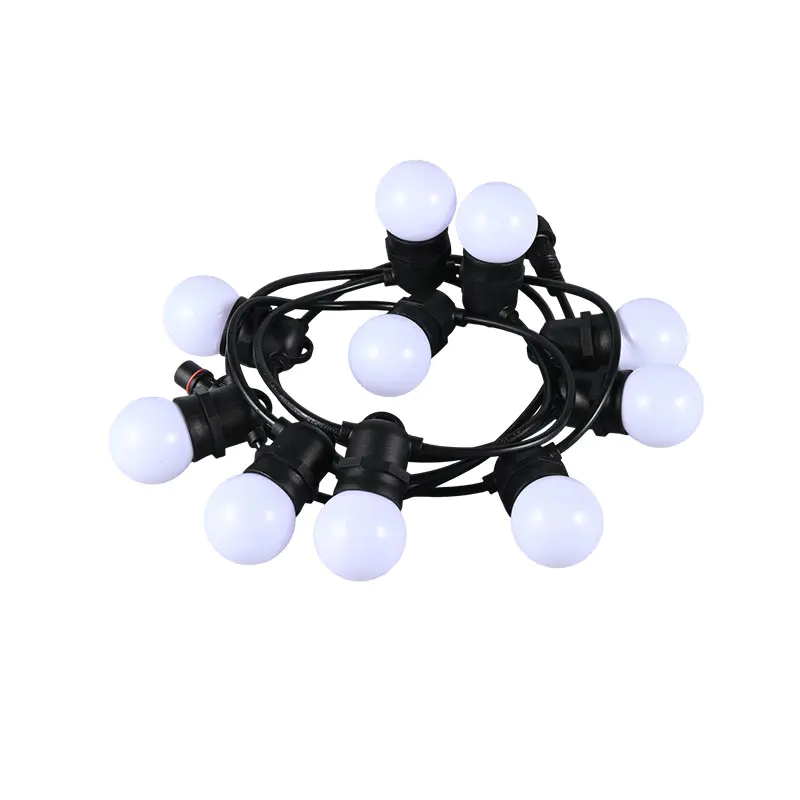
G45 Outdoor E27 White Light String Lights
-
 View More
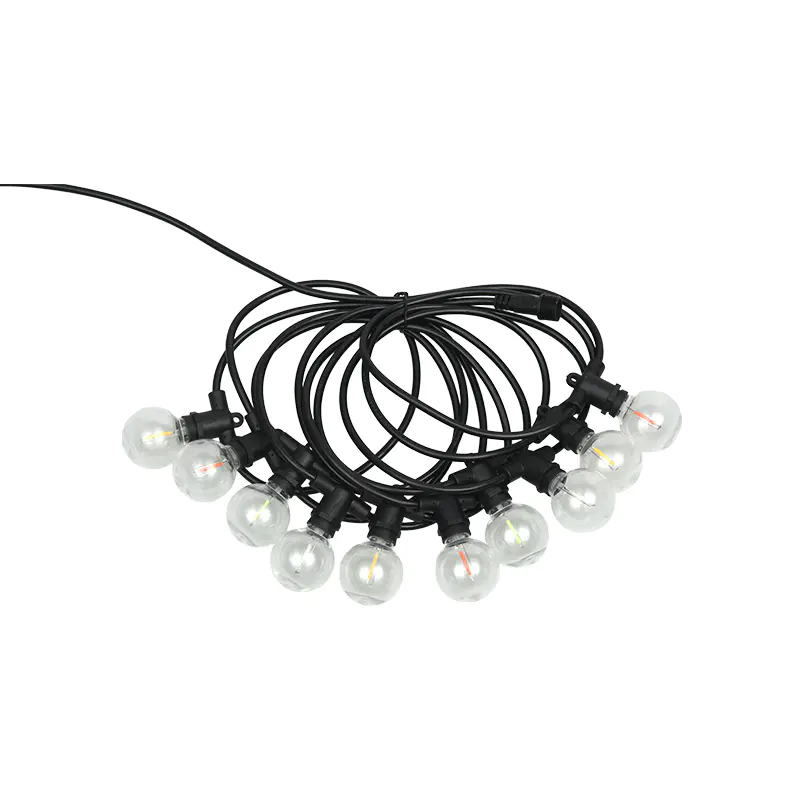
G40 Ball Bubble E12 Spiral Mouth Colorful LED Decorative Festoon Lighting
-
 View More
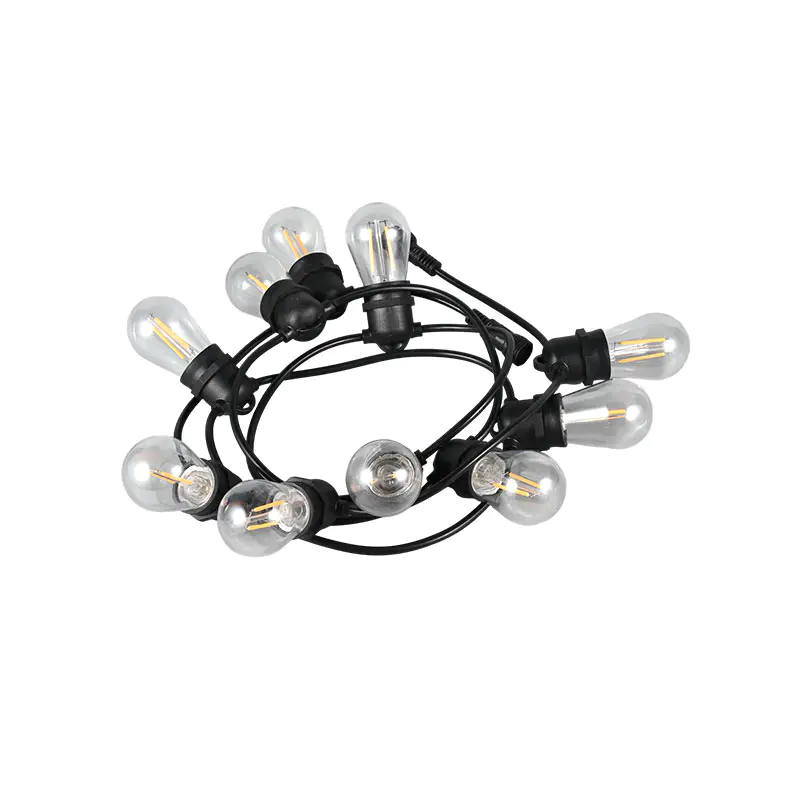
S14 Outdoor E27 Warm White String Lights
-
 View More
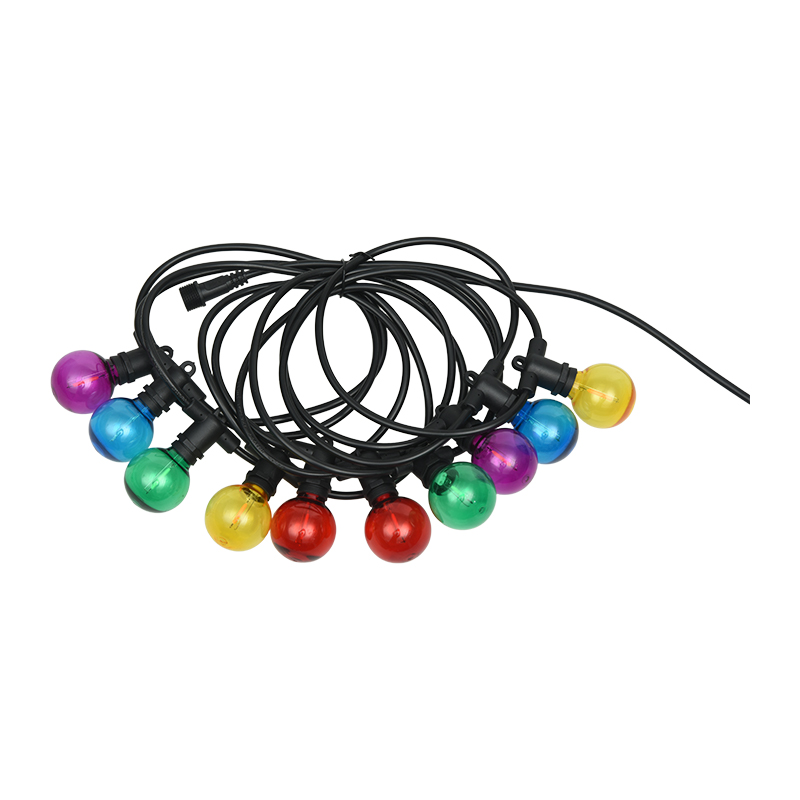
G40 Ball Bubble E12 Spiral Mouth Colorful Decorative Festoon Lighting
-
 View More
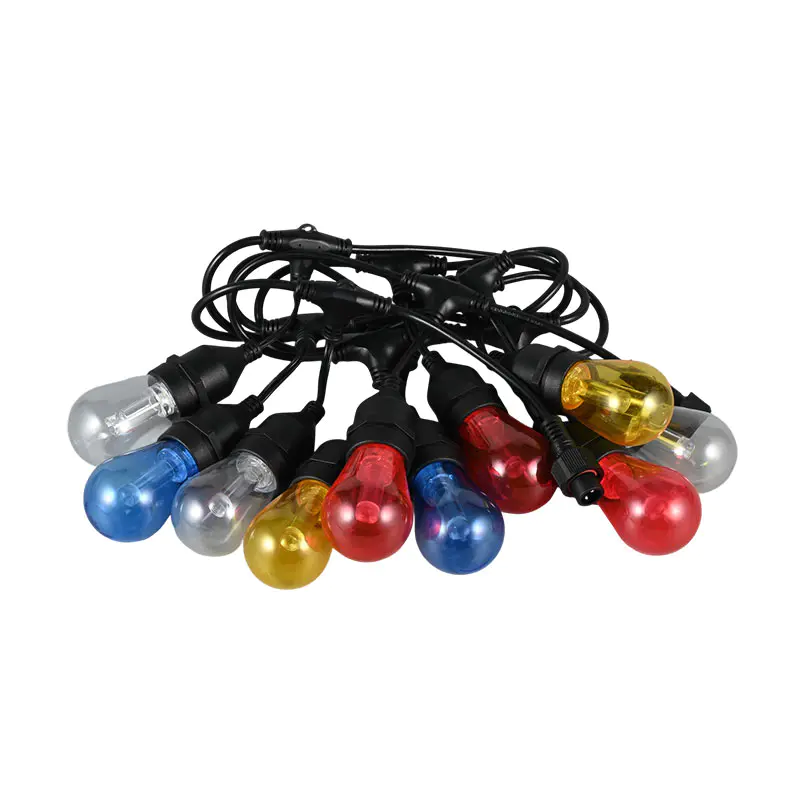
S14 Light Guide Pillar Pendant Type E27 Spiral String Lights
Hengboyi are always ready to help you and answer your question if you need.
Request A Quote
Contact Info.
 Mob: +86-13901119074
 Tel: +86-574-62838966
 E-mail: sale2@hengboyi.com
 Add: No. 18 Rongchuang Road, Mingwei Village, Lizhou Street, Yuyao City, Ningbo, Zhejiang Province, China
Quick Links
Product List
QR CODE
Copyright Ningbo Hengboyi Lamp Co., Ltd. All rights reserved.
China best outdoor decorative solar lights Manufacturer
Custom decorative string lights indoor Factory

